





Arkansas winters may not be as extreme as those up north, but Central Arkansas residents know better than to underestimate a cold snap. With freezing temperatures, ice storms, and sudden weather swings all possible from November through February, your HVAC system needs to be ready long before the first cold front rolls in.
Whether you're in Jacksonville, Little Rock, or the surrounding area, now is the time to make sure your heating system is ready for the season ahead. Brad's here with some practical tips to help you avoid costly breakdowns, lower those heating bills, and stay cozy all winter long.
Get Your Tune-Up Scheduled Before Everyone Else Does
Here's the deal: the minute that first cold snap hits, Brad and his team get slammed with emergency calls. You really don't want to be stuck on a waiting list while your house drops to 50 degrees and everyone's fighting over the one space heater that still works.
A proper tune-up covers everything your system needs... inspecting internal components, cleaning burners or coils, checking electrical connections, measuring airflow, and testing safety switches. Those little issues like dirty burners or a worn belt? They turn into big, expensive problems when you ignore them. Plus, a well-maintained system runs more efficiently, which keeps your energy bills from going through the roof.
Start Fresh with Clean Filters
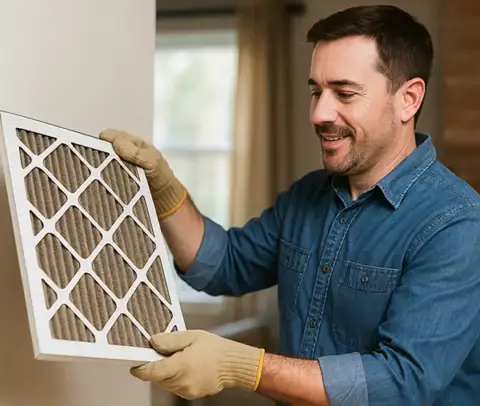
Winter puts your HVAC system to work, and a clogged air filter is like asking it to run a marathon while breathing through a straw. Restricted airflow cranks up your energy usage and puts unnecessary stress on motors and blowers, which can shave years off your equipment's life.
Kick off the season with a brand new filter, then keep checking it throughout the winter. Got pets? Older ductwork? A house that seems to collect dust like it's a hobby? You might need to swap that filter every month. Don't wait until you notice problems. Check it monthly and change it when it looks dirty.
Make Sure Your Thermostat Actually Works
Nobody wants to discover their thermostat is broken on the coldest morning of the year. Switch it over to heating mode now and let the system run for at least 15 minutes. Listen for anything that sounds off, make sure warm air is reaching every room, and confirm the system shuts off properly once it hits the temperature you set.
If your thermostat is ancient or acts temperamental, upgrading to a programmable or smart model can save you real money on energy costs while giving you better control. Many of them let you adjust temperatures from your phone too, which is perfect if you're at work all day or heading out of town for the holidays.
Check Every Single Vent in Your House
It happens all the time. Furniture gets moved, a rug gets laid down, curtains hang a little too low, and suddenly a vent is blocked without anyone noticing. When vents are covered, heat can't circulate properly and your system has to work way harder than it should.
Walk through your home and eyeball every supply and return vent. Make sure the louvers are open and give the grilles a quick vacuum to clear off any dust buildup. It's one of the easiest things you can do to boost both comfort and efficiency.
Hunt Down Duct Leaks Before They Cost You
Here's a frustrating fact: duct leaks can waste up to 30% of your heated air. That's air you're paying to heat that's escaping into your attic or crawlspace instead of warming your living room. Before winter really gets going, check any ductwork you can reach. Look for gaps, sections that have come apart, old tape peeling off, or signs that critters have been nibbling.
If you spot problems or have rooms that are always too hot or too cold, call Brad's team for a duct inspection. Sealing those leaks with mastic or foil-backed tape makes a real difference in comfort and utility bills. Some homes benefit from advanced sealing systems like Aeroseal, which seals leaks from the inside out.
Show Your Outdoor Unit Some Love
Even though your air conditioner's taking the winter off, the outdoor unit still needs attention. Flip the power off at the external disconnect box to prevent it from accidentally kicking on during a warm winter day. Running your compressor in cold temperatures can damage it.
Clear away leaves, grass clippings, and whatever else has piled up around the unit. Trim back any tree branches that could snap during an ice storm and land on your equipment. If you're running a heat pump instead of a furnace, don't cover it. Just keep it clear of snow, ice, and debris so it can do its job efficiently.
Give Your Whole-Home Humidifier Some Attention
Cold air is naturally dry, and your furnace only makes things worse. A properly maintained whole-home humidifier helps keep indoor humidity balanced, which makes the air feel warmer and cuts down on dry skin, static shocks, and damage to wood furniture and floors.
Replace the humidifier's water panel before winter starts. Clean out the reservoir, check the drain line, and make sure the unit is turned on if it was shut off in spring. A humidifier that's not working right can lead to mold growth or too much indoor moisture, so it's worth the few minutes it takes to inspect.
Don't Forget Radiators and Condensate Lines
If you have hot-water radiators, bleed the valves now to release trapped air. This improves efficiency and helps your system heat evenly. And if you've got a high-efficiency furnace, you need to check the condensate drain system too. These furnaces produce moisture when they run, and if the drain line clogs or the pump fails, water can back up or freeze, which leads to shutdowns or leaks.
After you test-run the system, take a look at the drain pan. If there's standing water or the pan's cracked, get it fixed right away. A small problem here can turn into a big mess later.
Listen to What Your System Is Telling You
Your HVAC system should hum along quietly. If it's clanking, buzzing, or making weird noises, something's wrong. Repeated clicking, loud bangs when it starts up, or scraping sounds during operation can mean ignition trouble, dirty burners, a failing blower motor, or worn bearings.
If the sounds are concerning, shut the system down and call for a repair. Letting it keep running could make the problem worse and even create safety hazards.
Check Your Fuel Supply Now
If your furnace runs on propane or heating oil, don't wait until you're almost empty to schedule a refill. Top off your supply before prices spike in peak season or delivery trucks get backed up. Running out of fuel can also cause pilot light issues or tank condensation, which leads to rust.
Smart monitors are available for both oil and propane systems and can ping your phone when it's time for a refill. Setting up notifications beats playing the guessing game.
Beef Up Your Insulation and Seal Those Drafts
Even the best HVAC system can't overcome a house that leaks heat like a sieve. Check your attic insulation, seal gaps around windows and doors, and install weatherstripping where it's needed. Insulating ductwork (especially if it runs through unheated spaces) can also reduce heat loss.
Good insulation keeps heat where it belongs, which lowers your energy bills and helps your system maintain consistent temperatures throughout your home.
Flip Those Ceiling Fans into Reverse
Most ceiling fans have a little switch near the base that changes which way the blades spin. For winter, set them to rotate clockwise on a low setting. This pushes warm air down from the ceiling and recirculates it through the room, making the space feel warmer and easing the load on your HVAC system.
Just remember to turn the fan off when you leave the room. It only helps when someone's actually there to feel the difference.
Consider Zoning If Your Home Has Hot and Cold Spots
Do you have upstairs rooms that are always freezing or a basement that never seems to warm up? A zoning system might solve your problem. These systems use motorized dampers and separate thermostats to deliver the right amount of heat exactly where it's needed.
Zoning helps you avoid cranking the heat throughout the entire house just to make one room comfortable. It's a smart solution for multi-story homes or families where everyone has different temperature preferences.
Test Your Smoke and Carbon Monoxide Detectors
Anytime your HVAC system uses combustion (gas, oil, or propane) carbon monoxide is a potential risk. Make sure you have detectors on every level of your home and near sleeping areas. Hit the test button monthly and swap out batteries twice a year.
If your detectors are more than seven to ten years old, replace them. Newer models are more reliable and often come with built-in battery backups.
Be Ready for Power Outages and Ice Storms
Extreme weather in Central Arkansas can knock out power and leave your HVAC system sitting idle. If you rely on electric heat or have medical needs that require climate control, a backup generator is worth thinking about. At minimum, know where your system's shutoff switch is and keep snow cleared from intake and exhaust pipes.
If you're planning to use space heaters during an outage, make sure they're rated for indoor use and never leave them running overnight or when nobody's watching.
Final Thoughts
Winter weather sneaks up fast in Arkansas. Don't wait for a freezing morning to discover your heat isn't working. Brad and his team are ready to help with preventive maintenance that means fewer headaches, more consistent comfort, and lower heating costs all season long.
To schedule your winter HVAC tune-up or request a system inspection, contact us today at (501) 330-8066. Brad is proud to help homeowners across Jacksonville, Little Rock, and surrounding communities stay warm and safe all winter.