




If you have lived in Arkansas very long, you know how our weather works. Last Tuesday you’re driving with the windows down, and by Friday morning there’s ice on your windshield. That’s just life here, but those sudden freezes? They’re murder on your plumbing.
Brad’s Heating & Air has seen frozen pipes cause more winter headaches than just about anything else. When they burst, you’re looking at water everywhere, repair bills that make you wince, and a whole lot of disruption you didn’t need. The good news is most of this is preventable if you know what to watch for.
Why Your Pipes Freeze
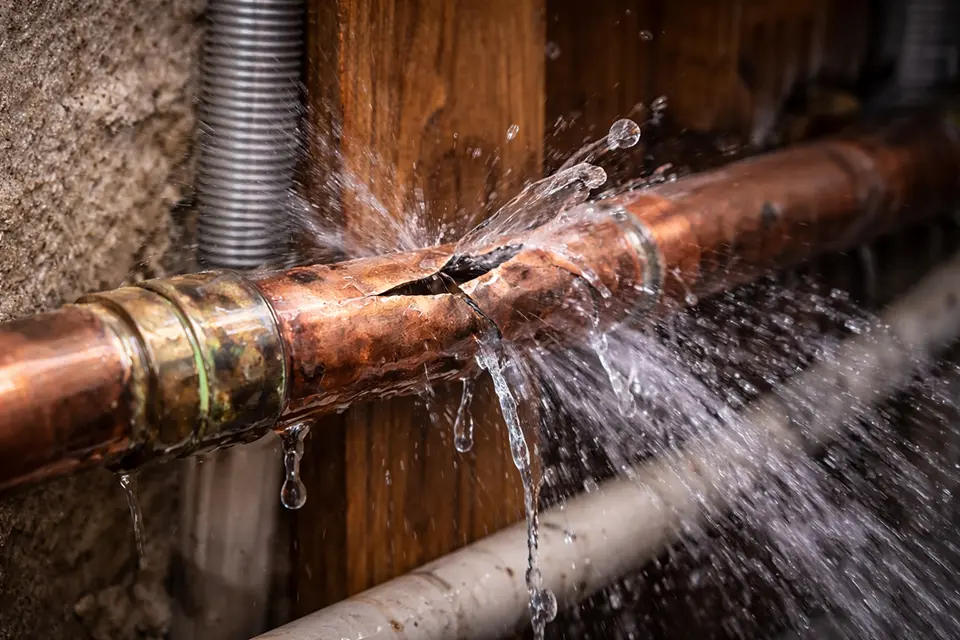
Here’s what happens: water freezes, expands, and puts pressure on your pipes until something gives. Most people think the pipe breaks right where it’s frozen, but usually it cracks somewhere else along the line where the wall is thinner or there’s already a weak spot.
Arkansas homes catch more grief than you’d think because our houses weren’t really built for serious cold. We get enough mild winters that builders don’t always insulate like they’re expecting Minnesota weather. Then January rolls around with a hard freeze, and suddenly all those pipes running through unheated crawl spaces become a problem.
Even a day or two of real cold is all it takes.
The Trouble Spots in Your Home
Some pipes are just asking for trouble. Keep an eye on anything running through:
- Outside walls: Especially on the north side
- Attic, crawl space, or garage: Areas with little or no insulation
- Behind cabinets under sinks: Often ignored, but vulnerable
- Outdoor faucets and hose connections: These freeze first
- Older parts of the house: Usually built without proper protection
If you’ve got plumbing in any of these spots, you need to be extra careful when the forecast shows freezing temps.
What Happens When a Pipe Bursts
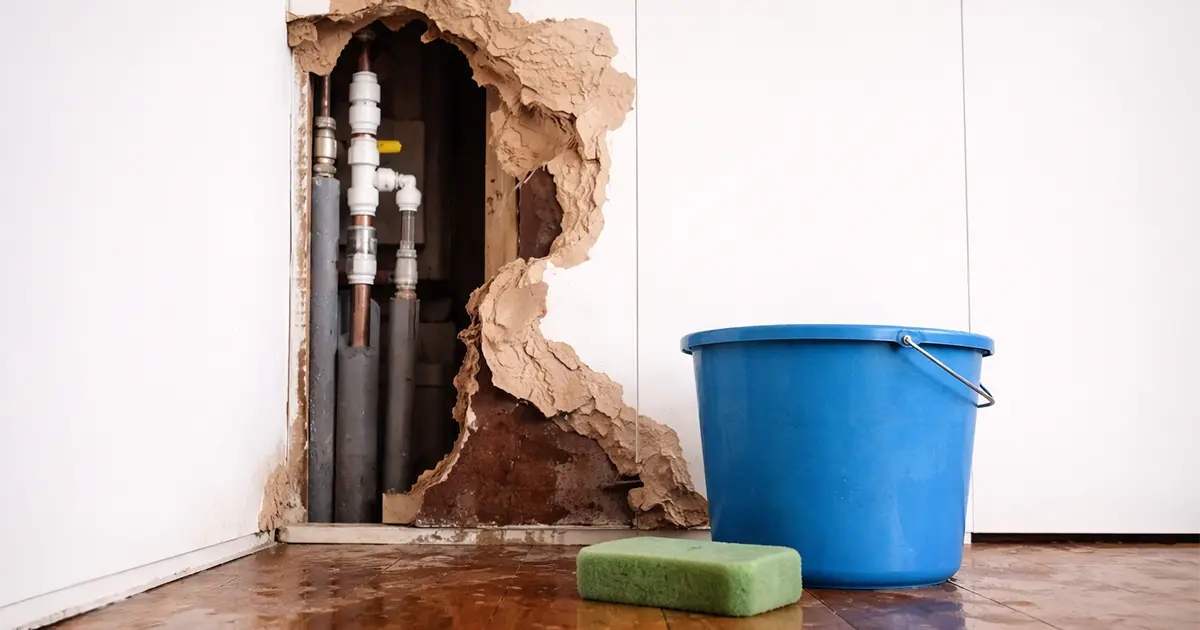
A busted pipe dumps several gallons of water every minute. Leave it going for an hour and you’ve got a real mess: soaked drywall, ruined insulation, buckled floors. Water gets into your framing and under your subfloors. Give it a few days and you’re dealing with mold on top of everything else.
Your insurance might cover some of it, but they’re going to want to know you tried to prevent it. An ounce of prevention beats a pound of insurance paperwork any day.
What You Can Do Right Now
Don’t Mess With Your Thermostat
55°F minimum is your magic number, even when you’re not home. It might feel wasteful, but it’s way cheaper than fixing water damage. Don’t drop it at night either. Consistency matters more than you think.
Get Air Moving
Let heat reach the cold spots. Open those cabinet doors under your sinks when it’s really cold out. Crack interior doors so warm air can circulate through the whole house. If you’ve got plumbing running through your garage, keep that door closed to hold in whatever heat you’ve got.
Let It Drip
Moving water is less likely to freeze. Yes, your water bill goes up a little, but a slow drip from faucets on outside walls keeps water moving and relieves pressure. Use the cold water side. It makes a difference.
Insulate the Obvious Spots
Foam pipe insulation is cheap and easy to install. Wrap any exposed pipes you can reach. Check for gaps where pipes come through walls and seal them up. If you’ve got the budget, beefing up insulation in your attic or crawl space pays off every year.
Take Care of Outside Stuff
Prevent exterior freezing before it starts.
- Disconnect garden hoses: Before the first freeze
- Turn off outdoor faucet valves: Then drain the line
- Winterize your sprinkler system: Blowing out the lines helps prevent cracks
- Use foam faucet covers: They actually work
Signs You’ve Got a Problem Starting
Catch it early and you might avoid the worst. Look out for:
- Weak water pressure or no water: May signal a frozen line
- Frost on exposed pipes: Especially in unheated areas
- Cold spots on walls: You can feel them with your hand
- Rattling or cracking sounds: Could mean ice inside the pipe
- Damp spots: Especially in places that should be dry
See any of this? Don’t wait.
If a Pipe Actually Freezes
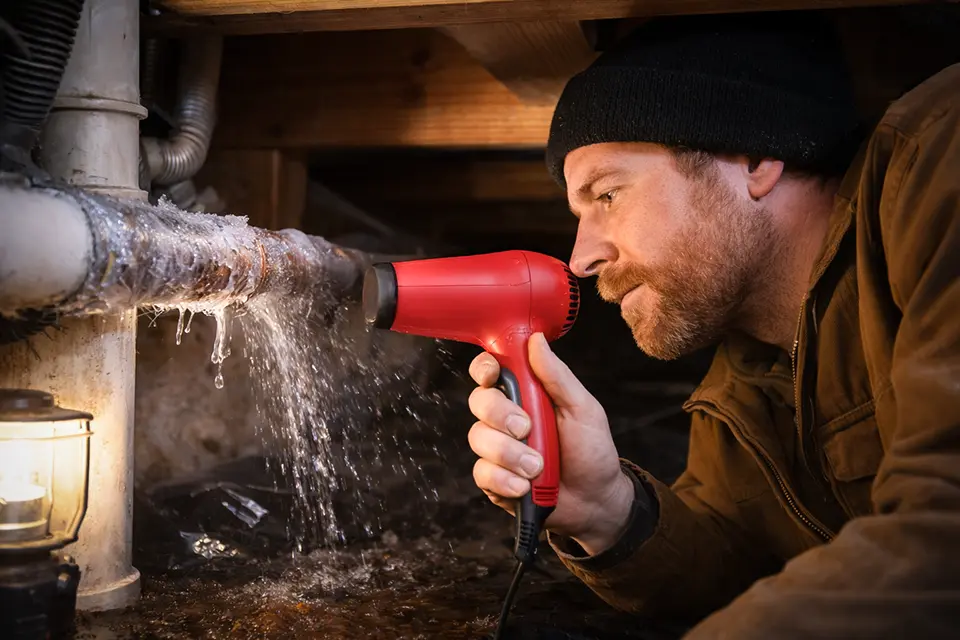
Leave the faucet open. You want somewhere for the water to go when it thaws. Use gentle heat only… a hair dryer works, or wrap warm towels around the pipe. Start near the faucet and work back toward the frozen section.
Do not use a blowtorch or put a space heater too close. You’ll make things worse.
If you see water leaking while you’re thawing, shut off your main water valve right away.
If It Bursts
Turn off your main water immediately. If there’s standing water near outlets or anything electrical, shut off the power to that area too. Open faucets to drain what’s left in the lines. Get your belongings out of the wet zone. Take pictures for insurance. Then call someone who knows what they’re doing.
Speed matters. The difference between quick action and waiting around can be thousands of dollars.
Final Thoughts
The freeze hits fast here. One day it’s mild, and then the forecast calls for lows in the teens. That’s not the time to be crawling under your house with a flashlight and a roll of foam. If you get your prep work done early, you can ride out the cold snap with peace of mind.
You can’t control the weather, but you can control how ready your house is for it. Keep your heat steady, insulate where it counts, and pay attention when a cold front rolls in. Most frozen pipe disasters never had to happen.