



Winter in Jacksonville, AR, tests more than just your car battery and your patience during the morning commute. It's also the time when your HVAC system works harder than any other time of year. Temperatures drop, freezing rain shows up uninvited, and your furnace or heat pump suddenly has to prove it can handle the job.
Most homeowners don't think about their HVAC until something goes wrong. But winter weather quietly wears down equipment in ways that add up fast. Recognizing the warning signs now can save you from an expensive breakdown when you need heat the most.
What Happens When It Gets Really Cold
When outdoor temps fall below 20°F, heat pumps start losing their edge. They have to pull warmth from increasingly frigid air, which isn't easy. To compensate, they lean on backup heat strips that aren't meant to run constantly. Using auxiliary heat full-time can triple your electric bill and put serious stress on heat exchangers, blower motors, and electrical relays.
Gas furnaces face their own battles. Subfreezing weather can force them into nonstop operation. The blower fan runs for hours. Ignition systems cycle over and over. Heat exchangers get pushed hard. Older systems show the strain first, especially if they've been skipping maintenance appointments.
Ice, Snow, and Blocked Airflow
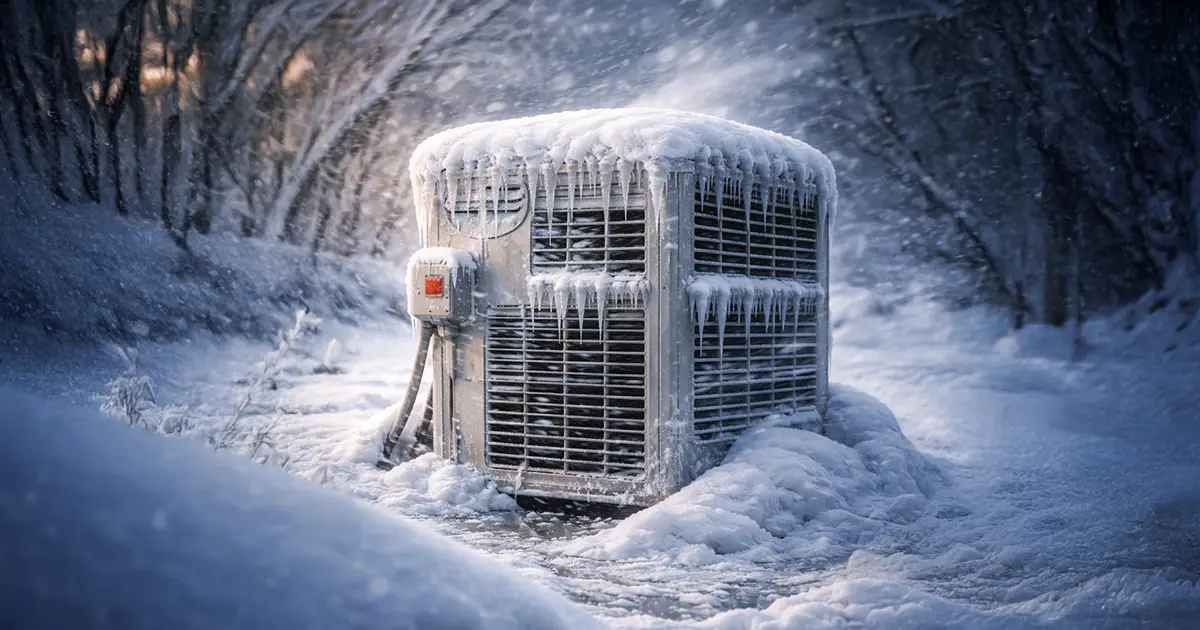
Snow piling up around your outdoor unit isn't just an eyesore. It restricts airflow, which makes your system work harder just to pull in enough air to function. Sleet and freezing rain are even worse. Ice can damage fan blades, clog condenser coils, and trigger safety shutdowns.
Frozen evaporator coils are surprisingly common in winter. Low refrigerant or a dirty filter restricts airflow, and the coil ices over. When that happens, you might notice warm air blowing from your vents even though the thermostat is cranked up. That's not a good sign.
Condensate drain lines freeze too. These lines remove moisture during the heating cycle, and when ice blocks them, water backs up into the system. Over time, that leads to rust, corrosion, or electrical problems if moisture reaches the wrong components.
Temperature Swings Are Worse Than Steady Cold
Central Arkansas weather loves to mess with you. It'll be 10°F at sunrise and 45°F by mid-afternoon. Your HVAC system has to ramp up hard in the morning to fight off the freeze, then ease off by lunch. All that starting, stopping, and shifting between high and moderate loads wears down blower motors and throws off internal sensors.
Even newer systems struggle with this. You might hear more noise than usual, notice uneven heating, or find yourself constantly adjusting the thermostat. Those are signs your system is working overtime to keep up with weather that won't sit still.
How to Tell Your Heating System Is Struggling
You don't need a certificate in HVAC repair to know something's wrong. Pay attention to these signals:
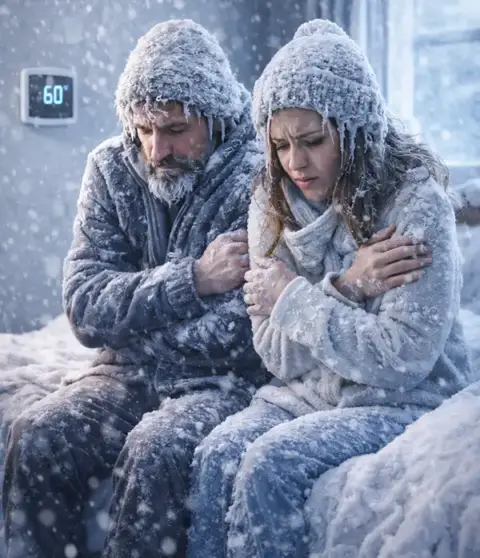
- The furnace or heat pump runs constantly but can't reach the temperature you've set: This could indicate system inefficiency or a failing component
- Some rooms stay colder than others even with vents wide open: Your ductwork may be unbalanced or your system may be overworked
- Strange noises like rattling, screeching, or banging come from the system: Parts may be loose, worn, or frozen
- Ice is forming on the outdoor unit or refrigerant lines: This could lead to performance loss or shutdown
- Your energy bill jumped way higher than last winter: A sign your system is under extreme strain
- Musty smells near vents suggest moisture problems or mold in the ductwork: Indicates a serious indoor air quality issue
Ignoring these warnings turns a fixable issue into an emergency service call or a complete system replacement. Both cost a lot more than preventive care.
What You Can Do Right Now
Smart prevention keeps your system running when you need it most. Start outside. Check the area around your outdoor unit and make sure it's clear of snow, ice, and debris. Keep at least two feet of open space on all sides. If winter storms are common where you live, a simple fence or barrier can keep blowing snow from burying the unit.
Change your air filters regularly. During peak heating season, check them every month. A clogged filter chokes airflow, forces the system to overwork, and contributes to frozen components.
Programmable or smart thermostats help manage energy use without sacrificing comfort. They adjust temperatures based on your schedule and outdoor conditions, which cuts down unnecessary run time and can lower heating costs by 20 to 30 percent.
If your home struggles with humidity, a whole-home dehumidifier takes pressure off the HVAC system. Too much moisture leads to mold in ductwork, poor air quality, and added strain on heating equipment.
Why Maintenance Can't Wait

Routine maintenance isn't optional if you want your system to survive winter. Brad can spot refrigerant leaks, test the defrost cycle, clean drain lines, and verify your thermostat is accurate before small problems become big ones.
Furnace inspections also cover the heat exchanger for cracks, flame sensor operation, and safety switch testing. Heat pump checkups confirm the defrost cycle works and that all heating strips are in good shape.
If your system is over ten years old, a winter tune-up also helps you decide if it's time to start planning for replacement. Newer models handle winter better with stronger insulation, corrosion-resistant parts, and controls that adapt to changing temperatures.
Sometimes Upgrading Makes More Sense Than Repairing
Extreme winter weather doesn't just challenge your HVAC. It shows you exactly where the weak spots are. If you're constantly calling for repairs or your home never feels warm enough, a more efficient system might be the answer.
Variable-speed heat pumps and furnaces adjust their output based on demand. They run more steadily at lower power, which reduces the risk of overheating or freezing and keeps temperatures more balanced throughout your home. Many qualify for energy rebates and can cut your utility costs significantly.
If you're remodeling or building new in Jacksonville, Sherwood, or Cabot, talk to your contractor about duct sealing, insulation upgrades, and zoning systems. These improvements protect your equipment from weather extremes and make it easier to stay comfortable without overworking the system.
Final Thoughts
Now that the winter storms have arrived, your heating system becomes one of the most important things in your house. Whether you're dealing with deep freezes, ice buildup, or constant cycling, prevention beats emergency repairs every time.
Don't wait for a breakdown to take action. Protect your comfort and avoid costly mid-winter surprises. Contact Brad's Heating & Air today at (501) 330-8066 to schedule a seasonal maintenance check or ask about weather-ready system upgrades built for Arkansas winters.